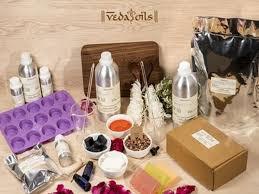




The Power of Essential Oils: A Natural Addition to Your Soap-Making Routine
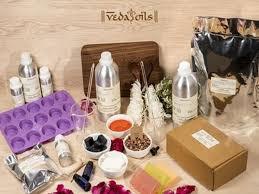
Essential oils have become a staple in natural wellness, skincare, and handmade crafts. Whether you are a beginner soap maker or an experienced artisan, incorporating into your creations can transform simple recipes into aromatic, skin-nourishing masterpieces. These concentrated plant extracts not only provide beautiful scents but also offer numerous therapeutic benefits.
What Are Essential Oils?
Essential oils are highly concentrated extracts derived from flowers, leaves, roots, and other parts of plants. Unlike synthetic fragrances, essential oils contain natural compounds that deliver real aromatherapy effects—calming, energizing, balancing, or purifying depending on the oil.
From lavender and peppermint to eucalyptus and chamomile, each oil brings its own character and benefits to your skincare formulations, especially in handmade soaps.
Why Use Essential Oils in Soap-Making?
1. Natural Aromatherapy
Using essential oils in your soap base allows you to create soaps with soothing or invigorating fragrances. Lavender promotes relaxation, citrus oils uplift the mood, and tea tree provides a refreshing, cleansing aroma.
2. Skin-Friendly Benefits
Many essential oils have skin-loving properties. For example:
-
Tea tree oil helps purify the skin.
-
Chamomile helps soothe sensitive or irritated skin.
-
Rosemary supports skin clarity and balance.
3. No Synthetic Chemicals
Essential oils blend perfectly with other natural oils like coconut, olive, or jojoba, giving your soap a clean, chemical-free profile—ideal for those who prefer holistic skincare.

How to Use Essential Oils With a Soap Base
Choosing the Right Soap Base
A soap base is the foundation of your soap-making process. Melt-and-pour bases—like shea butter, glycerin, or goat milk—are beginner-friendly and combine smoothly with essential oils and natural oils.
Mixing in Your Essential Oils
After melting your soap base:
-
Allow it to cool slightly (so the heat doesn’t weaken the essential oils).
-
Add your chosen essential oils—typically 0.5% to 3% of the total mixture, depending on the oil’s strength.
-
Stir thoroughly for even distribution.
You can also blend essential oils with natural oils to enhance nourishment and glide.
Shaping Your Creations With a Soap Mold
Once your scented soap mixture is ready, pour it into a soap mold. Soap molds come in different shapes—floral patterns, geometric designs, hearts, and more. Silicone molds are especially popular because they’re flexible and easy to demold.
After pouring, let the soap set for several hours. Once hardened, remove from the soap mold and allow curing time if necessary.
Popular Essential Oil Blends for Soap Making
-
Relaxing Blend: Lavender + Chamomile
-
Refreshing Blend: Peppermint + Eucalyptus
-
Citrus Burst: Sweet Orange + Lemon + Grapefruit
-
Herbal Clean: Rosemary + Tea Tree
These mixes pair beautifully with nourishing natural oils and any soap base of your choice.
Final Thoughts
Incorporating essential oils into your soap-making projects elevates both the fragrance and the therapeutic value of your handmade soaps. When blended with natural oils, poured into a quality soap base, and shaped with a creative soap mold, the result is a unique, luxurious, and skin-friendly product. Whether you craft soaps for personal use or for gifting, essential oils bring a touch of nature’s finest to every bar.